Gases form Gases are trapped Starches gelatinize Proteins coagulate Fats melt Water evaporates Sugars caramelize Carryover baking Staling Gases form air carbon dioxide or steam Gases are trapped egg protein or gluten network traps gases Starches gelatinize. Primarily responsible for leavening bread areaCarbon dioxide is released by the action of yeast baking powder or baking soda when heat is applied.
Baking Baking Processes Bakerpedia
The second fermentation which comes after shaping in step 10 is the most important step for making a bread that rises above the norm.

. It is probably the oldest cooking method. Learn faster with spaced repetition. They are the development of the biscuit structure and texture the reduction in the moisture content and the development of the colour.
After baking bread is cooled momentarily in the pan then completely cooled on racks to prevent the bread from becoming soggy. Grab the bottom and pull that towards the center and over the first fold. Bakery products which include bread rolls cookies pies pastries and muffins are usually prepared from flour or meal derived from some form of grain.
Next the batter or dough is baked and finally. Formation and expansion of gasses. OVERVIEW OF THE BAKING PROCESS flashcards from Evan Carls class online or in Brainscapes iPhone or Android app.
First ingredients are mixed into batters or doughs. Describe the major steps in the inflammatory process. Also called degassing this is when you deflate the risen dough by turning out the dough onto a lightly floured surface and kneaded it once or twice.
The final texture depends on the leavening of the product before and during baking this rise is because of gases formed. Once the product reaches a high enough temperature bacteria is killed. To properly fold dough start with the dough on the counter.
As the steam is released the dough dries out and forms a dry pale crust. From the dough piece to the biscuit. At around 160 degrees Fahrenheit the product becomes porous allowing for the gases to escape.
What three distinct stages occur in baking once ingredients are weighed. Principles of Baking What happens in a baking oven. And the yeast produces carbon dioxide that causes the air bubbles.
Baking is a very important process but is very complex and somewhat difficult to understand and describe. Fermentation continues throughout the process until baking is complete. They are foods that have undergo the process of baking.
During the baking process the water inside the liquid ingredients will turn into steam and evaporate. This must occur before cutting into the bread. Creating a firm chewy interior crusty exterior and brown color.
While the yeast will continue to do its job right up until oven time fermenting in bulk actually creates the best conditions for proofing. The proteins trap the gas in the product so that the mixture can rise. List and describe the nine steps in the baking process.
The water wakes the dry yeast up from its dormant state and the sugar gives the yeast something to feed on. It is the most underrated of the twelve stages. This step involves hydrating dry yeast in some or all of the liquid used in the recipe and adding a pinch of sugar.
Air which is incorporated into the dough or batter during the mixing processSteam which is generated by heating the moisture in the dough during baking Trapping of the gasses. What are the 9 stages baking. After mixed you will allow the mixture to sit for 5-10 minutes to check for foaming.
Take the top and fold down towards the center. There are three main changes which we will see as all biscuits are baked. Once a dough has been made it is ready for its first rise also called bulk or first fermentation.
This gives the yeast a chance to start a second fermentation period. What are the steps in the inflammatory process. The chilled butter is encased in the dough and repetitively rolled out and folded onto itself until there are many distinct layers of butter and dough.
Otherwise there will be grid lines. In between folds the dough is given a chance to rest. Bread processing is a broad term describing the overall manufacturing process of breads and buns.
We then use a process called lamination to literally fold butter into the slightly sweet rich fermented dough. Baking process of cooking by dry heat especially in some kind of oven. Next grab the left side and fold it towards the center.
Part of the science of baking is understanding the process of what happens to the fats sugar proteins starches and gasses while in the oven. Remove the cakes from the pans and cool completely on wire racks before adding frosting. Make sure the top layer isnt upside down on the rack.
First proofing Bulk fermentation. Also called floor time or bulk fermentation this is when the yeast gets down to business and starts to party. All of these contribute to the texture structure and taste.
Bake the cakes according to the time and temperature in your recipe directions. It consists of a series of steps including mixing fermentation makeup proofing baking cooling slicing and packaging. The design of an oven is principally a matter of heat transfer and its control but for the baker what happens is a matter of temperatures and turbulence at specific stages.
Water evaporates and gases escape. Enzymes sugars and gluten is extracted from the starches of the flour. Remove from the oven and cool on a rack for 10 minutes or as directed in your recipe.
In order to make a fluffy bread air pockets have to be made. As mentioned in the kneading stage. There are 9 stages of baking for batters and dough from the start to after its been freshly baked.
Bread already a common staple in prehistoric times provides many nutrients in the human diet. These changes overlap during the baking process but it is useful to note that the formation of. During the baking process proteins in the dough coagulate.

Chapter 3 Principles Of Baking Copyright C 2009 By Pearson Education Inc Upper Saddle River New Jersey All Rights Reserved On Baking A Textbook Ppt Download

Bread Making Process A Guide For The Bread Maker Foodcrumbles
Principles Of Baking Chapter 3 Sarah R Labensky Priscilla Martel And Eddy Van Damme On Baking 3 Rd Edition Ppt Download
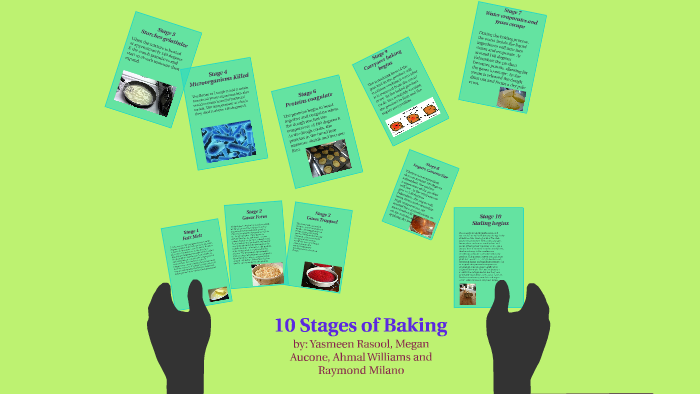
Ten Stages Of Baking By Yasmeen On Prezi Next




0 Comments